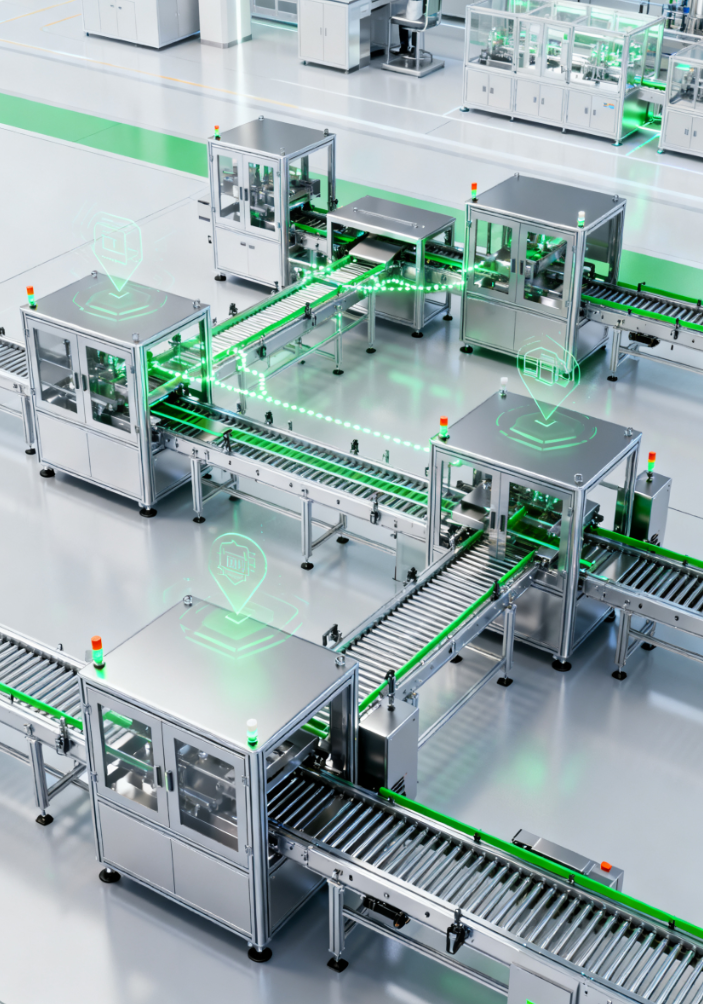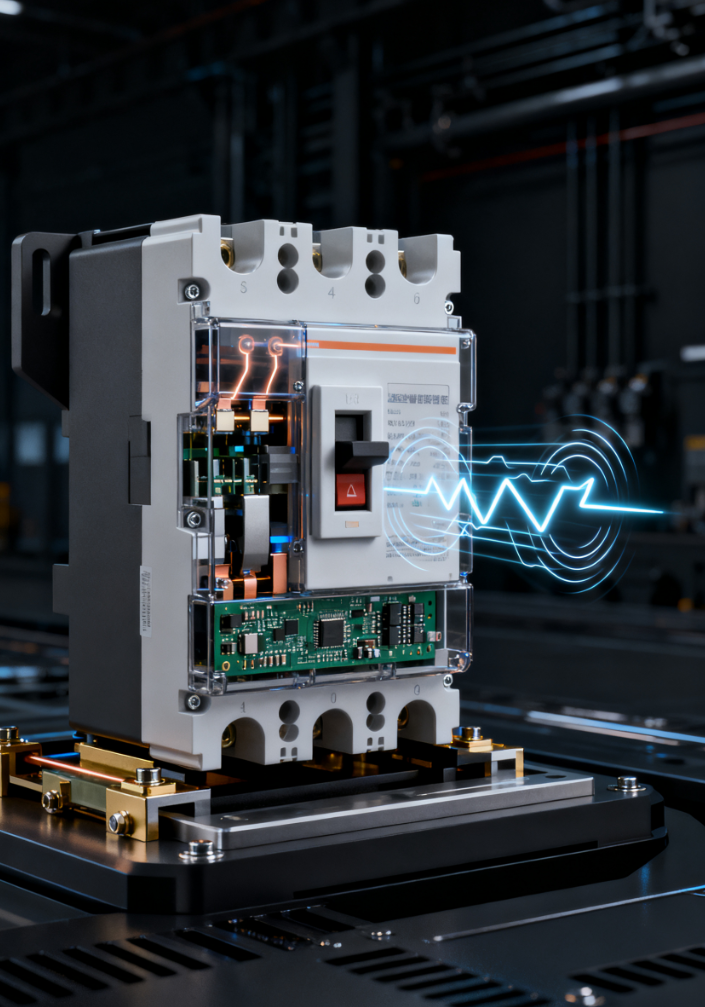
On the production lines of food and beverage, thousands of products pass through sterilization, filling, and packaging every minute. This seemingly simple process actually demands extremely strict requirements for temperature control, time management, and hygiene standards. Godelon solid state relays, with their millisecond response speed, pollution-free operation, and outstanding reliability, are becoming a key technical support for improving quality and efficiency in the modern food and beverage industry.
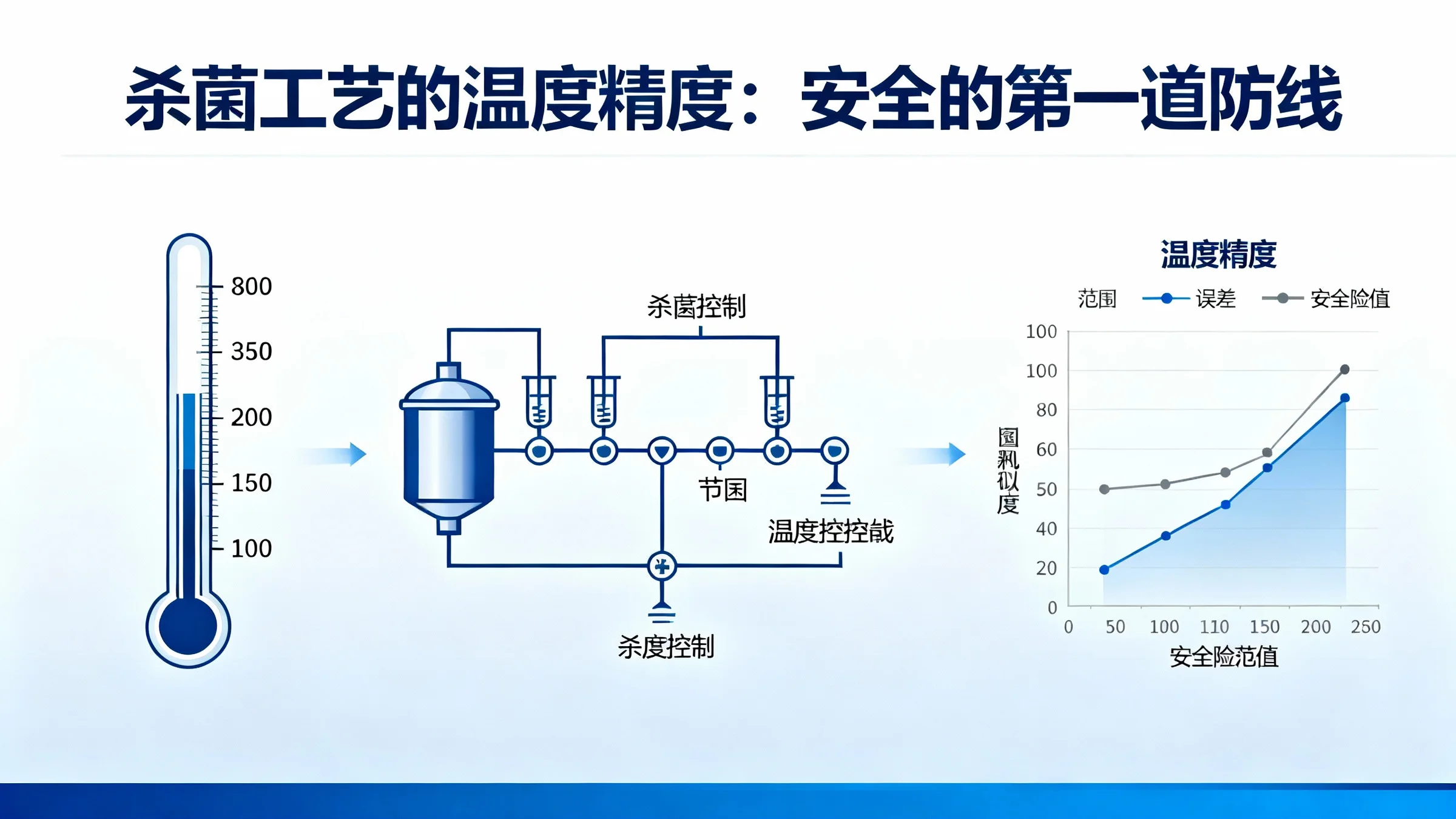
Temperature accuracy of sterilization process: The first line of defense for safety
Sterilization is a core link in the safety of food and beverages, and the accuracy of temperature control directly affects the shelf life and safety of the products:
UHT Ultra-High Temperature Sterilization System:
Ultra-fast temperature rise control: Milk and other liquids can be raised from 75℃ to 138℃ within 2 seconds, increasing the retention rate of vitamins by 15%.
Precise control of the heat preservation section: Maintain at 138℃ for 4 seconds with a temperature fluctuation of ±0.3℃, and the sterilization efficiency is over 99.999%.
Rapid cooling control: Cool down to 25℃ within 2 seconds to prevent heat damage and maintain the best taste.
CIP cleaning temperature: The cleaning water temperature is 85℃ ± 2℃, and the cleaning efficiency is increased by 30%.
Intelligent pasteurization:
Multi-stage temperature curve: Maintain at 72°C for 15 seconds to precisely inactivate pathogenic bacteria while preserving active substances.
Online refractive index detection: Automatically adjust the sterilization temperature based on sugar content, product consistency > 98%
Heat recovery optimization: Heat energy recovery rate in the sterilization process exceeds 90%, and energy consumption is reduced by 25%.
Automatic calibration system: Automatically optimizes sterilization parameters based on the bacterial count of raw milk.
Tunnel pasteurization control:
Zoned temperature management: Independent temperature control for preheating zone, sterilization zone and cooling zone, with temperature uniformity of ±2℃.
Conveyor belt synchronous control: Synchronous coordination of belt speed and temperature to ensure uniform heating of each bottle of product.
Precise steam injection: The amount of steam injected is automatically adjusted according to the product temperature, saving 30% of water.
Abnormal alarm system: An alarm will be triggered immediately if the temperature deviation exceeds 1℃, and the abnormal products will be automatically isolated.
Irradiation sterilization dose control:
Real-time dose monitoring: Precise control of irradiation dose to ensure sterilization effect without damaging the product.
Transmission speed optimization: Automatically adjust the transmission speed based on product density, with dose uniformity > 95%
Safety interlock: Multiple safety interlocks to ensure absolute personnel safety.
Dose traceability: The irradiation dose of each batch of products is fully recorded and traceable.
After Yili Group adopted the Gordon UHT control system, the shelf life of its products was extended from six months to nine months, the complaint rate dropped by 60%, and the annual steam cost savings exceeded 3 million yuan.
Intelligent Control of Fermentation: The Art of Flavor and Efficiency
Fermentation is crucial for the formation of flavors in food and beverages, and precise control determines the unique quality of the products:
Intelligent Management of Beer Fermentation:
Gradient cooling control: During the main fermentation period, the temperature is reduced by 0.3 - 0.5℃ each day, which is the most favorable for yeast activity.
Automatic pressure regulation: The pressure in the fermentation tank is controlled at 0.12 - 0.15 MPa to optimize the formation of flavor substances.
Yeast propagation control: The propagation temperature is controlled in stages, increasing yeast activity by 20%.
CIP cleaning validation: Automatic verification of microbial detection after cleaning to ensure a sterile state.
Precise control of yogurt fermentation:
Inoculation temperature control: Inoculation at 43℃ ± 0.5℃ reduces the fermentation time by 15%.
pH monitoring: Real-time pH monitoring, and automatic temperature reduction to terminate fermentation when the target value is reached.
Post-fermentation management: Precise control of the post-fermentation temperature at 0-4℃ in refrigeration, continuously improving the flavor.
Strain activity preservation: The storage temperature of the starter culture is -18℃ ± 1℃, and the activity preservation period is extended.
Optimization of the fermentation process for soy sauce:
Temperature curve for making koji: 28℃ in the early stage promotes spore germination, 32℃ in the middle stage accelerates growth, and 30℃ in the later stage promotes the formation of enzyme systems.
Humidity coordinated control: Temperature-humidity coordination, maintaining the moisture content of the starter material at 50-55%.
Ventilation volume adjustment: Automatically adjust the ventilation volume based on the temperature of the fermented grains to ensure adequate but not excessive oxygen supply.
Turning control: Automatic turning at regular intervals ensures uniform temperature and increases enzyme activity by 15%.
Wine Fermentation Management:
Temperature-controlled fermentation: 25-28℃ for red wine, 15-18℃ for white wine, with optimized tannin extraction.
Impregnation control: Precise control of impregnation temperature and time for the extraction of pigments and flavor substances.
MLF management: Control the malolactic fermentation at 20-22℃ to achieve a milder acidity and improve the mouthfeel.
Aging temperature: The wine is aged in oak barrels at a constant temperature of 12-15℃, allowing aroma substances to form slowly.
After applying the Gorden fermentation control system, Tsingtao Beer has shortened its fermentation cycle by 10%, increased flavor consistency from 85% to 95%, and reduced energy consumption by 18%.
Precision Operations in Filling and Packaging: The Combination of Efficiency and Aesthetics
High-speed filling production lines have extremely high requirements for the response speed and accuracy of the control system:
Aseptic filling system:
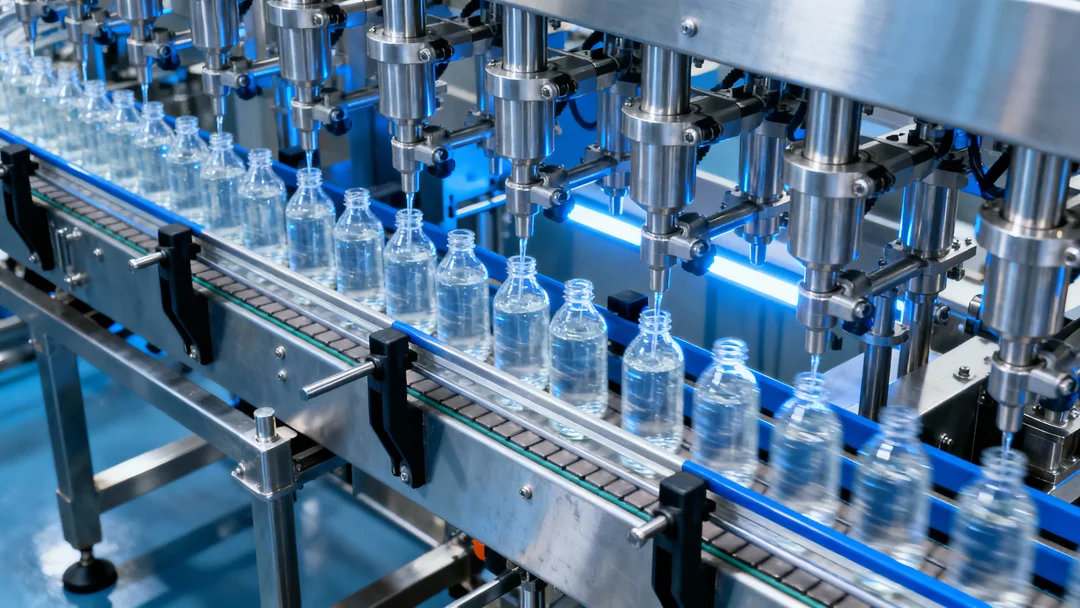
Synchronous control of filling valves: The filling accuracy of the 48-head filling machine is ±0.5 ml, and the synchronization error is less than 10 ms.
Maintenance of aseptic environment: The laminar flow velocity in the filling area is 0.45 m/s ± 5%, and the cleanliness is maintained at level 100.
Bottle mouth sterilization control: Hydrogen peroxide spray concentration 30% ± 2%, sterilization time 0.5s ± 0.05s
Seal detection synchronization: Seal detection is completed within 1 second after filling. Non-conforming products are immediately removed.
High-speed labeling control:
Visual positioning system: Label position recognition accuracy ±0.2mm, label application accuracy rate > 99.9%
Temperature adaptive control: Automatically adjust the glue temperature and application amount according to the ambient temperature.
Synchronous speed control: The labeling speed is in real-time synchronization with the production line speed, with a maximum speed of 600 bottles per minute.
Label inspection: 360-degree visual inspection after labeling, automatically removing misaligned or lifted labels.
Automated Palletizing and Boxing:
Robot grasping control: The 6-axis robot has a grasping accuracy of ±0.5mm and a grasping speed of 0.8 seconds per box.
Stacking pattern optimization algorithm: Automatically calculate the optimal stacking pattern based on the size of the carton, improving stability.
Conveyor line coordination: Real-time matching of conveyor line speed with robot cycle time for maximum efficiency.
Integrated weight detection: Automatic weight detection before palletizing, with automatic rejection of cases with missing or insufficient bottles.
Film packaging control:
Stretch film pre-stretching: Stretch ratio 250% ± 10%, saving 15% of packaging materials
Heat sealing temperature control: The heat sealing temperature is 180℃ ± 3℃, with uniform sealing strength.
Tension control: Constant tension control of the film ensures smooth packaging without wrinkles.
Shrinkage control: Hot air temperature 120℃ ± 5℃, uniform and beautiful shrinkage.
After adopting the Gorden control system, the beverage production line of Master Kong has increased the filling speed from 300 bottles per minute to 450 bottles per minute, reduced the packaging material loss by 12%, and cut the labor cost by 40%.
Temperature discipline in cold chain logistics: Full protection from factory to table
Cold chain logistics for food and beverages is the last line of defense for quality assurance:
Intelligent Management of Cold Storage:
Multi-temperature zone precise control: Freezing zone -18℃ ± 1℃, Refrigeration zone 0 - 4℃ ± 0.5℃, Fruits and vegetables zone 8 - 12℃ ± 1℃
Humidity coordinated control: The humidity in the refrigeration area is maintained at 85-95% RH to prevent food from drying out.
Defrosting intelligent control: Automatically defrosts based on frost accumulation, reducing energy consumption by 20%
Inventory dynamic management: Automatic reminder of first-in, first-out and expiration date warning
Refrigerated truck temperature monitoring:
 Multi-point temperature monitoring: Real-time monitoring of multiple temperature points in the front, middle and rear, as well as upper, middle and lower parts of the carriage.
Door opening alarm: Automatic alarm when the car door is open for more than the set time, abnormal temperature record
Remote monitoring: 4G real-time transmission of temperature data, cloud monitoring platform
Driver behavior monitoring: Recording of behaviors such as sudden acceleration and sudden braking, and correlation analysis with temperature fluctuations.
Temperature maintenance at the distribution terminal:
Smart delivery box: The temperature of the insulated box at the delivery person's terminal is maintained at 0-4℃ for 8 hours.
Confirmation of handover temperature: The temperature is automatically recorded at the time of handover, ensuring clear responsibility.
Customer temperature verification: Customers can verify the temperature on-site when receiving goods, enhancing satisfaction.
Reverse logistics management: Full temperature record of returned goods and quality responsibility determination
Temperature traceability system:
Full temperature record: Complete temperature curve record from production to consumption throughout the entire process.
Abnormal Temperature Warning: Automatic warning for abnormal temperature, enabling prompt handling.
Quality correlation analysis: Correlation analysis of temperature data and product quality complaints
Supplier Evaluation: Evaluation of Cold Chain Logistics Suppliers Based on Temperature Data
After JD Logistics adopted the Godel temperature monitoring system, the rate of cold chain breaks dropped from 0.5% to 0.05%, the loss rate of fresh products decreased by 3%, and customer complaints reduced by 70%.
The Automation Revolution of Cleaning Systems: The Invisible Guardians of Food Safety
The hygiene standards for food and beverage production are becoming increasingly strict, making automated cleaning systems indispensable:
Intelligent control of CIP cleaning system:
Multi-program automatic switching: automatic switching among alkali washing, acid washing, hot water washing and disinfection programs
Online concentration monitoring: Real-time monitoring of cleaning solution concentration and automatic replenishment.
Temperature and time control: Cleaning temperature 85℃ ± 2℃, time control accuracy ± 5 seconds.
Effect verification system: Automatic detection and verification of conductivity and pH value after cleaning
Precise control of SIP sterilization system:
Temperature rise rate control: The steam temperature rise rate is 3℃/minute to prevent thermal shock.
Sterilization temperature maintenance: 121℃ for 30 minutes, with a temperature fluctuation of ±0.5℃.
Condensate drainage: Condensate is automatically discharged during the sterilization process, ensuring uniform temperature.
Biological indicator validation: Regular biological indicator validation to confirm sterilization effectiveness.
Environmental cleaning automation:
Automatic control of hydrogen peroxide space spray disinfection before and after production
Floor cleaning robot: An automatic navigation cleaning robot with a 100% cleaning coverage rate.
Air purification control: Intelligent control of the air purification system in clean workshops, real-time monitoring of cleanliness.
Personnel hygiene monitoring: Automatic monitoring of personnel hygiene procedures when entering and exiting, with violation alerts.
Wastewater treatment control:
Automatic pH regulation: Automatic monitoring and adjustment of wastewater pH value to ensure compliance with discharge standards.
Grease separation control: The grease separation system is automatically controlled, with a recovery rate of over 90%.
Biological treatment optimization: Automatic optimization of aerobic and anaerobic treatment parameters, enhancing treatment efficiency
Reclaimed water reuse control: Intelligent control of reclaimed water reuse system, water reuse rate > 60%
The Automation Upgrade of Quality Inspection: The Leap from Sampling to Full Inspection
Modern quality inspection for food and beverages is moving towards full automation and online operation:
Visual inspection system:
High-speed online detection: Detection speed of 1000 pieces per minute, defect recognition accuracy rate > 99.5%
Multi-dimensional detection: color, shape, size, label, and seal multi-dimensional synchronous detection
Deep learning application: Automatic defect classification based on deep learning, with a misjudgment rate of less than 0.1%
Data statistical analysis: Real-time statistical analysis of defect data, quality trend early warning
Online component analysis:
Near-infrared online analysis: Real-time monitoring of components such as moisture, protein, and fat
Metal detection control: Metal foreign matter detection sensitivity 0.3mm, automatic rejection
X-ray foreign object detection: Detection of foreign objects such as glass, stones, and plastic, with a detection accuracy rate of over 99%.
Weight sorting control: Weight sorting accuracy ±0.5g, automatic grading.
Rapid microbial detection:
ATP rapid detection: 30-second rapid detection of surface cleanliness of equipment, with automatic recording
Online microbial monitoring: Online microbial monitoring at critical control points, with automatic alarm for over-limit conditions.
Automated colony counting: Automated colony counting system, with a counting accuracy rate of over 95%
Allergen testing: Rapid detection of allergen cross-contamination to ensure accurate labeling
Packaging integrity test:
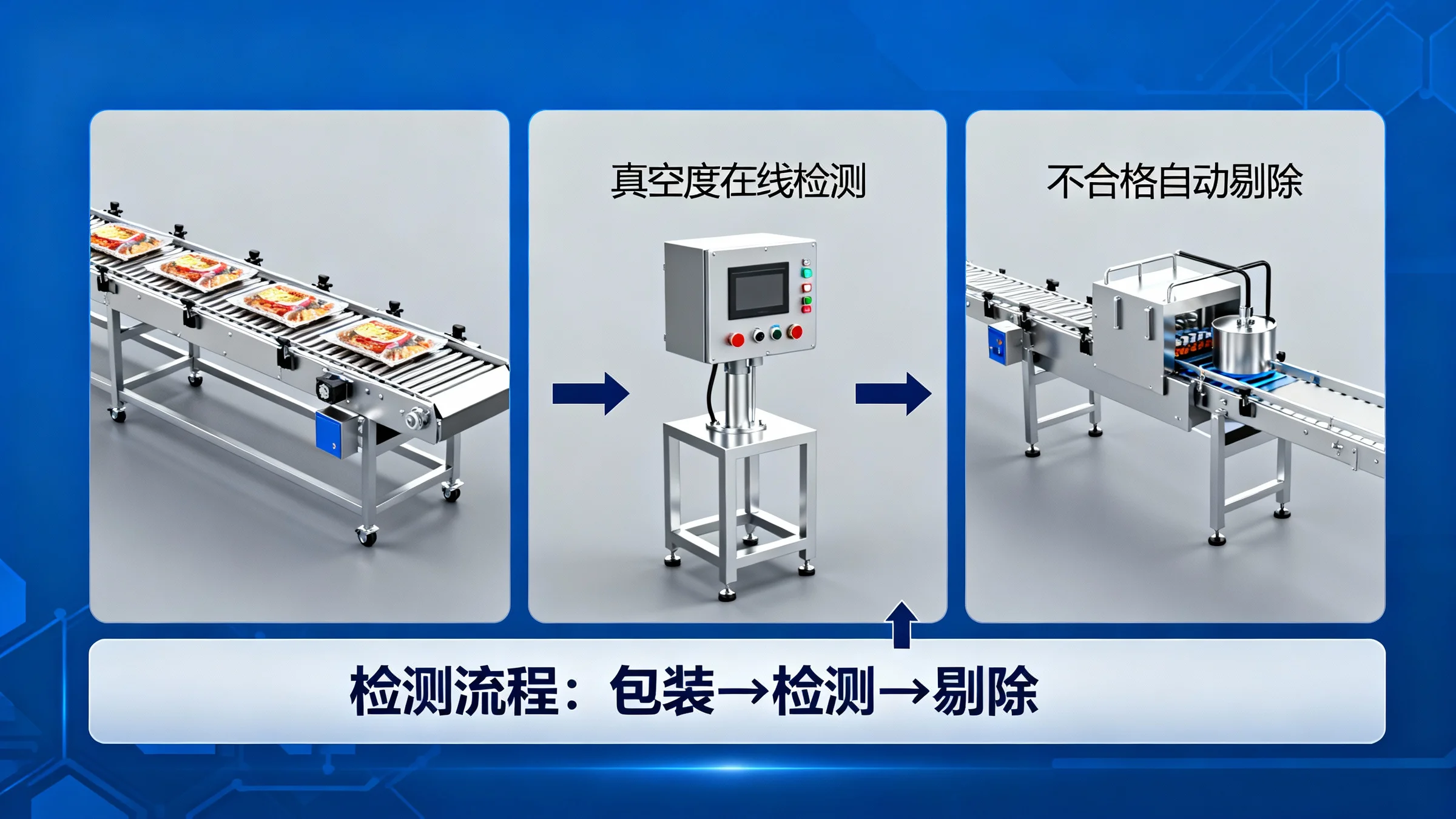
Vacuum degree detection: Online detection of vacuum degree in vacuum packaging, with automatic rejection of non-conforming products.
Seal strength test: Automatic sampling test of packaging seal strength, with data recorded automatically.
Oxygen permeability testing: Regular automatic detection of the oxygen permeability of packaging materials, and verification of shelf life.
Automated drop testing: Packaging drop tests are conducted automatically, and data is analyzed automatically.
Fine-tuning Energy Management: A Win-Win for Cost and Environmental Protection
The food and beverage industry has a high energy consumption ratio, leaving vast room for refined management.
Steam system optimization:
Multi-effect evaporation control: Intelligent control of multi-effect evaporators reduces steam consumption by 40%
Condensate water recovery: Condensate water recovery rate > 90%, heat energy recovery and utilization
Steam network balance: Intelligent pressure balance of the steam network, reducing pressure loss by 15%
Boiler efficiency optimization: Real-time optimization of boiler combustion efficiency, with efficiency > 92%
Compressed air management:
Precise pressure control: Compressed air pressure is dynamically adjusted according to the demand for air usage.
Leak detection: Automatic detection of leaks in compressed air pipe networks, with a leakage rate of less than 5%.
Drying system optimization: Intelligent control of compressed air drying system, stable dew point
Compressed air system intelligent group control: Multiple air compressors are intelligently group-controlled to always operate efficiently.
Energy conservation in water treatment:
Reverse Osmosis Control: The recovery rate of the reverse osmosis system is over 75%, and energy consumption is reduced by 20%.
Variable frequency control of water pumps: Variable frequency control of water pumps can save 30-40% of electricity.
Water reuse optimization: Optimization of the reuse rate of production process water, reduction of fresh water consumption
Rainwater collection and utilization: Intelligent control of rainwater collection and treatment systems, substitution of non-production water
Energy conservation in lighting systems:
Production area lighting: Automatically controlled based on production plans, saving 40% of energy.
Intelligent warehouse lighting: Personnel-sensing lighting in the warehouse area, lights off when people leave.
Outdoor lighting control: Outdoor lighting is automatically adjusted according to natural light, combining time control and light control.
LED retrofit and optimization: Traditional lighting LED retrofit, saving 60-70% of electricity.
Digital Transformation and Upgrading: From Manufacturing to Intelligent Manufacturing
The digital transformation of the food and beverage industry is accelerating:
Deep integration of the production execution system:
Automatic recipe distribution: Production recipes are automatically sent to the equipment, and parameters are automatically set.
Real-time tracking of production progress: Real-time visualization of production progress and timely handling of abnormalities.
Automatic material requisition: Automatic calculation of material consumption, precise timing of material requisition.
Quality data integration: Automatic integration of quality inspection data, real-time quality monitoring
Digital twin factory applications:
Virtual commissioning of equipment: Virtual commissioning before new equipment goes online, reducing commissioning time by 50%
Production process simulation: New processes are verified in digital twins first to reduce the risks of trial production.
Production plan simulation: The production plan is simulated and optimized in a virtual environment to enhance the feasibility of the plan.
Virtual personnel training: Operators receive training in a virtual environment, which is safe and efficient.
Supply chain collaborative optimization:
Intelligent demand forecasting: Based on sales data, intelligent demand forecasting improves accuracy by 30%.
Dynamic inventory optimization: Dynamic optimization of raw materials, semi-finished products and finished goods inventory
Supplier collaboration: Sharing key supplier data, improving on-time delivery rate
Logistics route optimization: Intelligent optimization of product distribution routes, reducing distribution costs.
Consumer data application:
Quality feedback analysis: Data analysis of consumer quality feedback, basis for quality improvement
Taste Preference Mining: Data Mining of Consumer Taste Preferences, Guidance for New Product Development
Packaging feedback collection: Rapid collection of consumer feedback on packaging design for iterative optimization.
Traceability information inquiry: Consumers scan the code to check the traceability information of the product, enhancing trust.
Under the guidance of the consumption upgrade and the Healthy China strategy, Godel Electric will continue to focus on the food and beverage industry, leveraging its precise and reliable control technology to facilitate the industry's development towards safety, health, and intelligence. From raw material processing to finished product packaging, from production and manufacturing to cold chain logistics.