In the face of molten steel at 1600°C, beside the huge electric arc furnace, and on the precision casting production line, temperature not only determines the fate of metal materials but also influences the quality and efficiency of the entire metallurgical industry. In traditional casting production, a slight deviation in temperature control can lead to the scrapping of an entire batch of products. Godelon solid state relays, with their contactless, high response, and long lifespan features, are becoming the key drivers of the quality revolution in modern metallurgical casting.
The Temperature Philosophy of Melting Furnaces: From Coarse to Precise
Metal smelting is the heart of metallurgical production, and the temperature curve determines the final performance of the material:
Precise control of electric arc furnace steelmaking:
Arc stability control: The response time of the electrode automatic adjustment system is less than 50ms, and the arc stability is improved by 40%.
Power supply curve optimization: Intelligent power supply strategy based on furnace charge composition reduces power consumption by 20-30 kWh per ton.
Furnace wall hot spot monitoring: Multi-point infrared temperature measurement, timely warning of hot spots in the furnace lining, extending service life by 15%
Alloy feeding temperature control: Precise matching of alloy addition timing and temperature increases the yield by 3-5%.
Intelligent Management of Induction Melting:
Frequency adaptive control: Automatically adjust the working frequency according to the state of the charge, increasing the smelting efficiency by 25%.
Power density optimization: Intelligent adjustment of power density at different smelting stages reduces energy consumption by 18%.
Temperature uniformity: Electromagnetic stirring and coordinated control, with a uniformity of ±5℃ for the melt temperature.
Refractory lining life prediction: Refractory lining erosion prediction based on temperature curves and safety early warning
Vacuum melting environment control:
Vacuum degree - temperature coupling: Optimal melting temperature curves at different vacuum degrees
Leakage rate monitoring: Early detection of minor leaks in vacuum systems through abnormal temperature changes
Cooling control: Matching the cooling intensity of the mold with the casting speed to optimize the quality of the ingot.
Atmosphere protection: Synergistic control of protective gas flow and temperature to prevent oxidation.
After the adoption of the Gorden control system in a special steel workshop of Baowu Group, the accuracy of molten steel temperature control has been improved from ±15℃ to ±5℃, the burn-off of alloy elements has been reduced by 40%, and the cost per ton of steel has been decreased by 120 yuan.
The Art of Heat Treatment: Shaper of Microstructures
Heat treatment endows metal materials with their final properties, and temperature control is of vital importance:
Controllable atmosphere heat treatment:
Precise carbon potential control: The oxygen probe works in conjunction with the temperature, achieving a control accuracy of ±0.05% for carbon potential.
Multi-stage programmed temperature rise: Programmed control of complex heat treatment processes, process repeatability > 99%
Quenching control: Synergy of quenching medium temperature and agitation improves hardness uniformity.
Tempered stability: The temperature fluctuation during long-term tempering is less than ±3℃, ensuring stable performance.
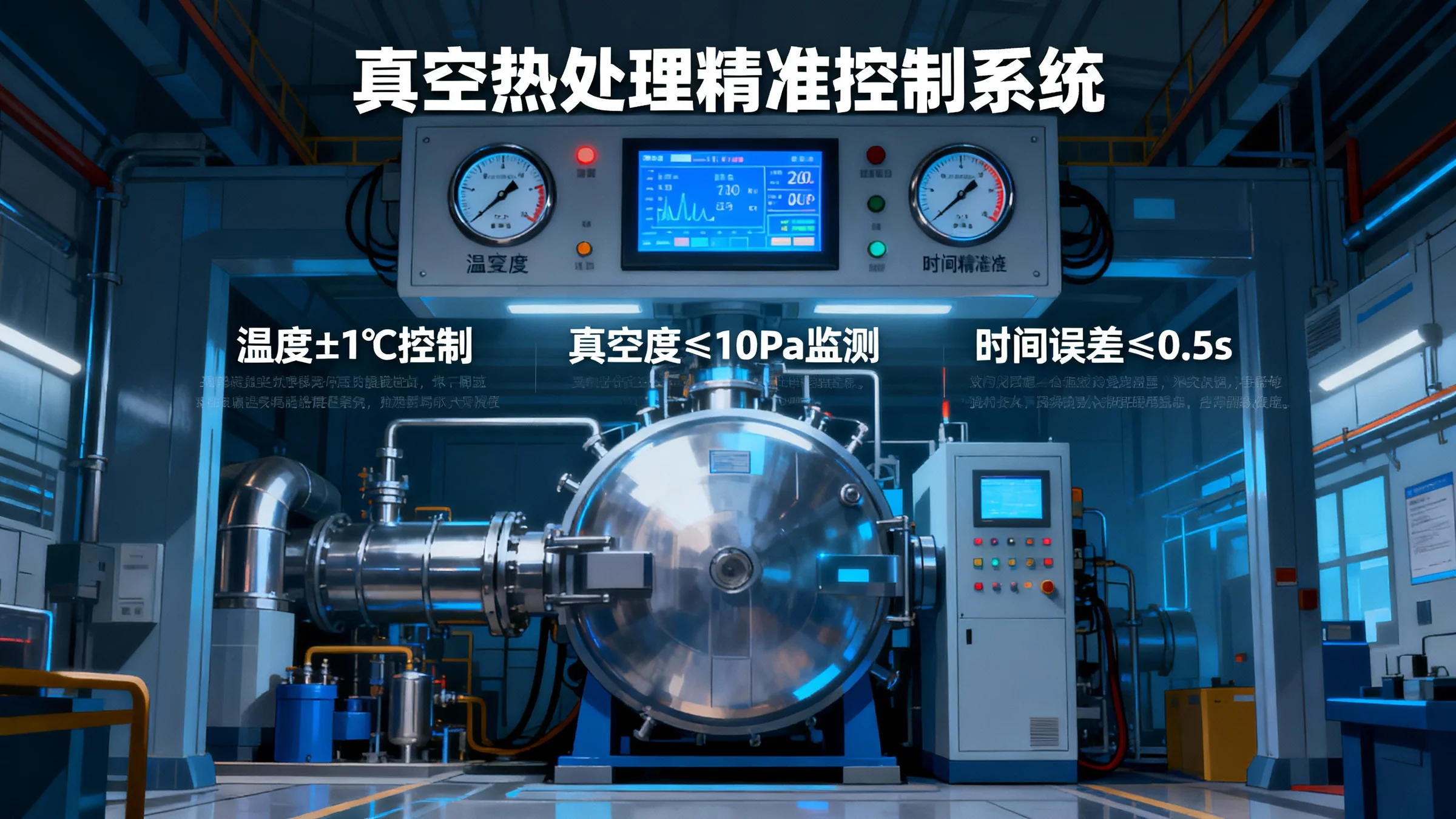
Precise control of vacuum heat treatment:
Pressure rise rate monitoring: Detecting minor leaks in vacuum furnaces through abnormal temperature monitoring
High-pressure gas quenching control: Intelligent adjustment of quenching pressure and gas flow reduces deformation by 30%.
Multi-zone temperature control: Balanced temperature control for multiple heating zones in large vacuum furnaces
Cooling rate control: Precise control of the rate at different cooling stages for optimizing microstructure and properties.
Continuous heat treatment production line:
Temperature tracking control during strip steel operation: Real-time tracking and adjustment of temperature during the strip steel's running process.
Tension-temperature synergy: Synergistic control of tension and temperature during heat treatment process
Atmosphere control inside the furnace: Multiple atmosphere zones are independently controlled to meet different process requirements.
Energy consumption optimization: Dynamic adjustment of furnace temperature based on production rhythm, reducing energy consumption by 20%
Induction heat treatment technology:
Scanning quenching control: Dynamic matching of the speed of the inductor movement and power, uniform hardening layer.
Temperature field control: Real-time feedback through infrared temperature measurement, precise temperature field control.
Depth control: Online monitoring and adjustment of hardened layer depth
Deformation control: Prediction and compensation control of heat treatment deformation
The temperature corridor in continuous casting and continuous rolling
From liquid to solid and then to plastic deformation, temperature is the main thread throughout the process:
Continuous casting machine temperature control:
Mold heat flow monitoring: Monitoring of temperature difference of mold cooling water, control of uniformity of shell growth
Dynamic secondary cooling water distribution: Dynamic secondary cooling control based on casting speed and steel grade reduces crack occurrence rate by 50%.
Casting billet surface temperature: multi-point infrared temperature measurement, precise control of straightening temperature
Cutting temperature control: Monitoring the temperature of the cast billet during cutting to ensure cutting quality.
Intelligent control of heating furnaces:
Optimization of heating curves: Optimal heating curves for different steel grades and specifications
Precise air-fuel ratio control: Real-time optimization of air-fuel ratio based on oxygen content in flue gas, saving energy by 8%
Furnace temperature uniformity: Multi-segment independent control of furnace temperature, with uniformity of ±10℃ for the出炉 temperature.
Note: "出炉" is translated as "出炉 temperature" which means the temperature when the product comes out of
Oxidation loss control: Furnace atmosphere control, oxidation loss rate reduced by 0.2%
Rolling temperature control:
Strip temperature tracking: Full-process temperature tracking model from the heating furnace to coiling
Laminar flow cooling control: The temperature control accuracy of the steel strip cooling is ±15℃, and the performance stability is improved.
Coiling temperature control: Precise control of coiling temperature, optimization of microstructure and properties.
Temperature compensation: Temperature compensation control when the rolling speed changes
Controlled rolling and controlled cooling technology:
Shape deformation heat treatment: Synergistic effect of rolling deformation and temperature control for fine grain strengthening
Phase transformation control: By controlling the phase transformation process through cooling, the target microstructure is obtained.
Performance prediction: Final performance prediction based on temperature history
Process optimization: Reverse optimization of process parameters based on performance requirements
The Temperature Code of Nonferrous Metallurgy
Nonferrous metal smelting has special requirements for temperature control:
Aluminum electrolysis temperature control:
Thermal balance of electrolytic cells: Multi-parameter coordinated control of cell voltage, electrode gap and temperature
Superheat control: The control accuracy of electrolyte superheat is ±3℃, and the current efficiency is improved.
Anode effect early warning: Abnormal temperature change early warning of anode effect, early handling.
Energy-saving control: Current density optimization based on thermal balance, reducing direct current power consumption by 200 kWh/t.
Copper smelting process control:
Flash smelting: Temperature field control of the reaction tower, optimization of oxygen-to-feed ratio
Blown converter smelting: Control of the end-point temperature during smelting, reduction of copper content in slag
Anode furnace refining: Temperature control during oxidation and reduction periods, improvement of anode copper quality
Continuous casting and continuous rolling: Temperature control in continuous casting of copper rods and improvement of conductivity stability
Magnesium smelting temperature management:
Silicon thermal process control: Uniformity control of the reduction tank temperature, improvement of reduction efficiency
Electrolytic control: Temperature zonal control of electrolytic cells, optimization of current efficiency
Refining control: Temperature control during flux refining, improved efficiency of impurity removal
Casting control: Temperature control in magnesium alloy casting and improvement of microstructure and properties
Special control for titanium smelting:
Vacuum consumable arc melting: Control of arc stability, uniformity of ingot composition
Electron beam melting: Control of electron gun power and molten pool temperature
Plasma smelting: Plasma arc stability control, quality guarantee for smelting
Heat treatment control: Precise control of complex heat treatment processes for titanium alloys
The Temperature Art of Special Casting
Precision casting demands the ultimate in temperature control:
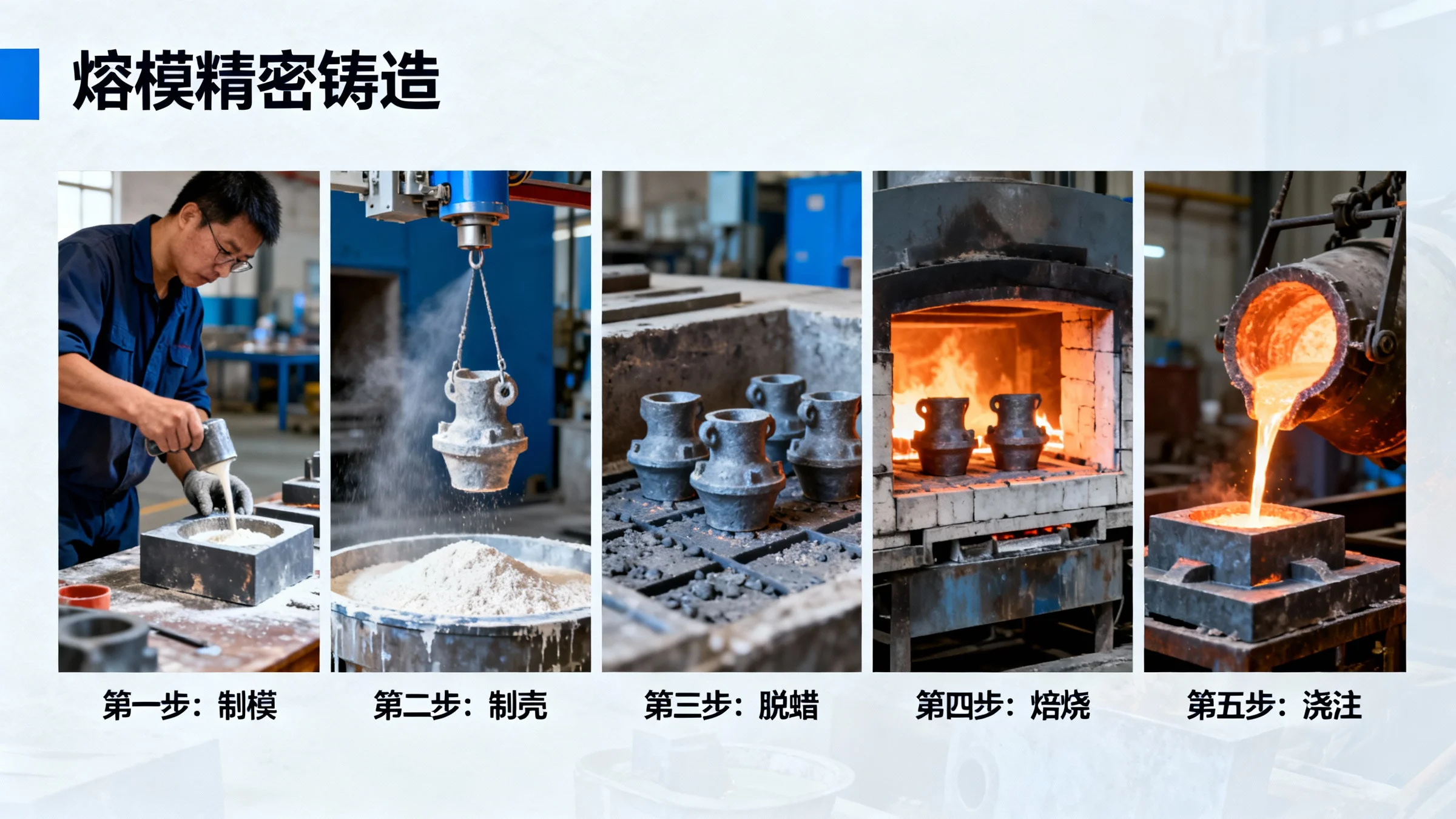
Investment casting (lost-wax casting):
Shell baking control: Multi-stage baking temperature curve, optimization of shell strength
Pouring temperature control: ±5℃ accuracy for thin-walled parts' pouring temperature, filling integrity
Shell preheating: Control of uniformity of shell preheating temperature before pouring
Shell removal control: Temperature control during shell removal process, ensuring the integrity of castings.
Die-casting process optimization:
Mold temperature control: Independent control of multiple mold temperatures, extending mold life by 30%
Melt temperature control: The temperature stability of the holding furnace is ±3℃, ensuring stable material performance.
Fast injection control: Synergistic effect of injection speed and temperature, internal quality improvement
Cooling control: Control of casting cooling rate, reduction of residual stress
Centrifugal casting control:
Speed-temperature matching: Optimized matching of speed and temperature at different casting stages
Mold temperature control: Uniformity control of mold preheating temperature
Pouring control: Synergistic control of centrifugal pouring temperature and rotational speed
Solidification control: Control of the solidification process in a centrifugal force field
Lost foam casting:
Foaming molding control: control of foaming temperature of beads, quality of pre-expanded beads
Pattern drying control: Pattern drying temperature curve control, pattern strength
Pouring control: Negative pressure pouring temperature control, casting surface quality
Sand dropping control: Temperature control during the sand dropping process, and improvement in sand recovery rate.
Temperature Detection and Calibration Network
Precise temperature control begins with precise measurement:
Multi-scale temperature detection:
Contact temperature measurement: Full-process coverage of thermocouple and thermal resistance networks
Non-contact Temperature Measurement: Applications of Infrared, Colorimetric, and Fiber Optic Temperature Measurement Technologies
Distributed temperature measurement: Fiber Bragg Grating Distributed Temperature Monitoring
Wireless temperature measurement: Wireless temperature monitoring for rotating components and mobile devices
Temperature calibration system:
Online calibration: Automatic online calibration of key temperature measurement points
Blackbody radiation source: Periodic calibration of non-contact temperature measurement systems
Temperature field calibration: Regular calibration of the temperature field in furnaces and kilns
Uncertainty assessment: Regular assessment of the uncertainty of the temperature measurement system
Temperature data management:
Data acquisition: High-speed acquisition of full-process temperature data
Data validation: Automatic verification and correction of temperature data
Trend Analysis: Temperature Change Trend Analysis and Early Warning
Knowledge Mining: Mining the Relationship between Temperature Data and Quality
Intelligent Diagnosis System:
Sensor fault diagnosis: Automatic diagnosis of temperature sensor faults
Measurement interference identification: Identification and compensation of temperature measurement interference factors
System health assessment: Temperature measurement system health status evaluation
Maintenance decision support: Maintenance decision support based on condition
Energy consumption optimization and heat recovery
Metallurgical casting is a major energy consumer, and heat management is of vital importance:
Waste heat recovery system:
Recovery of waste heat from flue gas: Graded recovery of waste heat from flue gas at different temperature sections
Product sensible heat recovery: Heat recovery during the cooling process of high-temperature products
Recovery of heat dissipation from the furnace body: Collection and utilization of heat dissipated from the surface of the furnace body
Heat recovery of cooling medium: Utilization of heat from cooling medium
Thermal energy cascade utilization:
High-temperature thermal energy utilization: High-temperature waste heat is used for power generation or to drive absorption refrigeration.
Medium-temperature thermal energy utilization: Medium-temperature waste heat is used for material preheating or domestic heating.
Low-temperature heat energy utilization: Low-temperature waste heat for heating or drying
Thermal energy storage for production peak shaving
Process energy-saving optimization:
Heating process optimization: Heating process optimization based on thermal efficiency
Application of Insulation Technology: High-Efficiency Insulation Materials and Structures
Thermal process optimization: Thermal process optimization based on energy consumption
Production scheduling optimization: Production scheduling optimization based on energy consumption
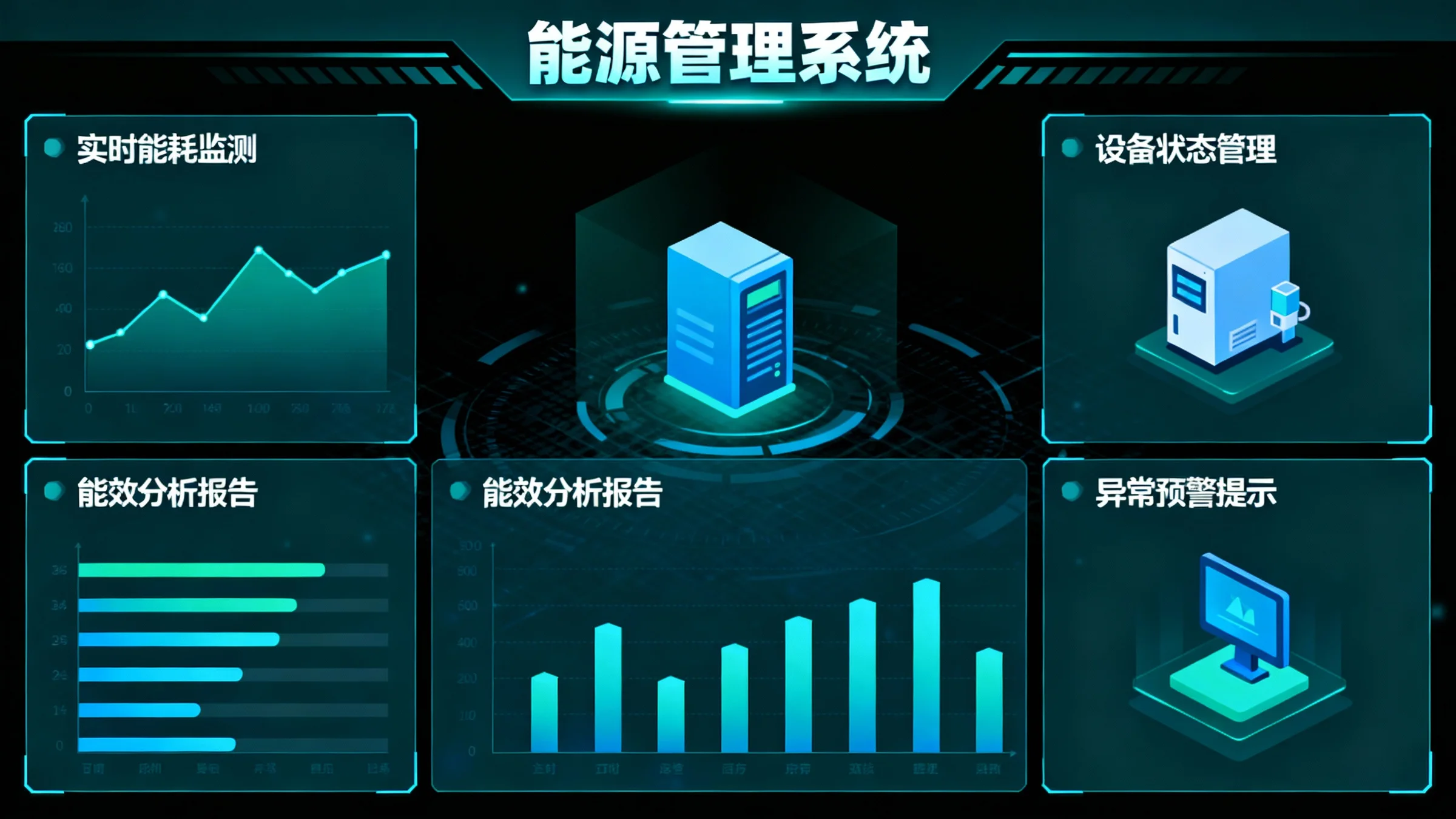
Energy Management System:
Energy metering: Precise measurement of energy consumption throughout the entire process
Energy efficiency analysis: Energy efficiency analysis and benchmarking of each process
Energy-saving diagnosis: Energy-saving potential diagnosis based on data
Target Management: Energy Consumption Target Management and Assessment
Quality Traceability and Continuous Improvement
Temperature data is at the core of quality traceability:
Full-process temperature traceability:
Raw material temperature record: Raw material incoming temperature detection record
Production process temperature: Complete temperature parameter records for each process.
Product temperature history: Temperature history throughout the product's entire life cycle
Abnormal temperature marking: Automatic marking of abnormal temperature events
Quality correlation analysis:
Temperature-mass model: A model correlating temperature parameters with mass indicators
Key temperature identification: Identification of key temperature parameters affecting quality
Process window optimization: Optimization of process temperature window based on quality requirements
Defect cause analysis: Defect cause analysis based on temperature data
Continuous improvement system:
Process optimization suggestions: Process optimization suggestions based on quality data
Control parameter adjustment: Automatic adjustment and optimization of control parameters
Best Practice Promotion: Standardized Promotion of Best Temperature Control Practices
Personnel training support: Operator training based on actual cases
Digital quality archives:
Electronic quality certificate: Quality certificate including complete temperature history
Customer-customized report: Quality report customized according to customer requirements.
Quality Trend Analysis: Long-Term Quality Trend Analysis and Early Warning
Improvement effect evaluation: Quantitative assessment of process improvement effects
Under the strategic guidance of building a manufacturing power and a materials power, Godel Electric will continue to focus on the metallurgical and casting industry, providing precise and reliable control technology to help China advance from a materials major to a materials power. From smelting to casting, from heat treatment to forming, Godel temperature control systems are safeguarding every temperature node in the manufacturing of metal materials.
Choosing Gorden Metallurgical Foundry Solutions means choosing the ultimate pursuit of quality. Let's join hands and use innovative control technology to jointly forge the golden quality of "Made in China", contributing solid strength to the high-quality development of the manufacturing industry.